How Green Toilets Save Money and Help Planet
As we progress into 2026, the urgency for sustainable practices has never been clearer. One of the simplest yet most effective changes homeowners can make is to install green toilets. These eco-friendly fixtures not only contribute to water conservation but also provide significant financial savings over time. With global awareness on climate change rising, understanding how these toilets function can help you make informed decisions that benefit both your wallet and the planet.
Understanding Green Toilets
Green toilets, often referred to as low-flow or high-efficiency toilets, are designed to use significantly less water than traditional toilets. In 2026, advancements in technology have led to models that use as little as one gallon per flush, compared to the standard three to five gallons used by older models. This remarkable reduction in water usage is essential as municipalities grapple with water shortages and rising costs.
The technology behind these toilets includes features like dual-flush systems, which allow users to choose between a lighter flush for liquid waste and a stronger flush for solid waste. This dual functionality not only saves water but also ensures that toilets perform efficiently, reducing the likelihood of clogs and other plumbing issues.
Financial Benefits of Green Toilets
Switching to green toilets provides immediate financial benefits. In 2026, the average household can save hundreds of dollars annually on water bills. For instance, in a family of four, if each member flushes the toilet five times a day, switching from a traditional toilet to a green model could save approximately 12,000 gallons of water annually. At an average cost of three dollars per thousand gallons, this equates to around thirty-six dollars in savings each year just from one toilet.
Moreover, many states and municipalities offer incentives and rebates for homeowners who install eco-friendly plumbing fixtures. These incentives can significantly reduce the upfront costs associated with purchasing and installing green toilets, making them an even more attractive option.
People Also Look For:
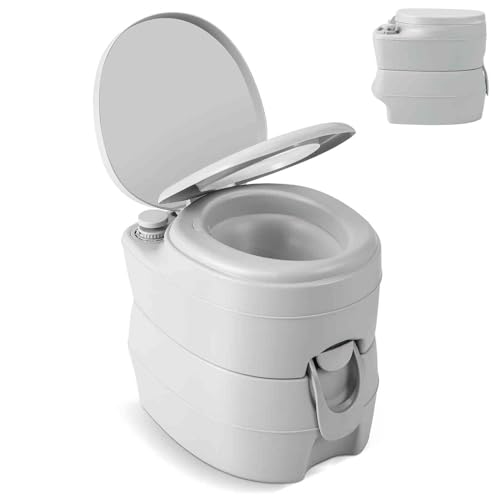
- TANGZON 20L Portable Toilet Camping Porta Potty, 150 KG Travel Toilet Potty Seat with Waste Tank, Flush Pump, Indoor Outdoor Dual ...
- Toilet Two Button Drain Valve, G1/2 Water Outlet Valve for Toilet Repair Updates, Super Water-Saving, Environmentally Friendly (25...
- Chemiphase Biosure Toilet Biological Toilet Cleaner, 5 Litres, Safe for Septic Tanks (1)
- Chemiphase Biosure Toilet Biological Toilet Cleaner, 5 Litres, Safe for Septic Tanks (2)
- SHENJIA Wall Mounted Plastic Urinals for Men - High Efficiency Outdoor Toilet, Waterless Design with Hose, Ideal for Bathrooms and...
Long-Term Savings and Maintenance
The long-term savings associated with green toilets extend beyond just water bills. Homeowners can expect fewer maintenance issues, which means lower repair costs over time. Traditional toilets often require more frequent repairs due to their outdated technology and higher water volumes that can lead to wear and tear.
Consider a scenario where a family installs a green toilet in 2026. They benefit from reduced water usage and lower maintenance costs. Additionally, the durability of modern green toilets means they often come with warranties that cover potential issues, providing peace of mind. This combination of factors contributes to significant overall savings, making green toilets a wise investment.
Environmental Impact of Green Toilets
The environmental impact of adopting green toilets is profound. In 2026, as water scarcity issues become more pressing, every drop saved counts. By reducing water consumption, green toilets help mitigate the strain on municipal water systems and promote sustainable water use practices. This is crucial as communities face increasing challenges related to droughts and climate change.
Furthermore, the reduction in wastewater generated by these toilets contributes to lower energy consumption in wastewater treatment facilities. This means that by installing a green toilet, a household is actively participating in larger environmental protection efforts. Every household that makes this switch contributes to a collective reduction in carbon footprints and water waste.
Choosing the Right Green Toilet
When selecting a green toilet, homeowners should consider several factors to ensure they are making the best choice for their needs. Look for models that have earned the WaterSense label, which signifies that they meet the U.S. Environmental Protection Agency's criteria for efficiency and performance. In 2026, many manufacturers provide a variety of designs and styles that cater to different aesthetics and functional preferences.
It's also essential to consider the flushing technology used in the toilet. Some models utilize pressure-assisted flushing systems, which can provide a stronger flush while still conserving water. Additionally, homeowners should evaluate the toilet's overall design and comfort, as these factors will affect daily use.
- Check for WaterSense certification
- Evaluate flushing technology
- Consider design and comfort
- Review warranty and customer support options
Government Initiatives and Support
As the demand for sustainable practices grows, government initiatives in 2026 are increasingly supporting the transition to eco-friendly toilets. Various programs provide financial incentives for homeowners who upgrade to green toilets, aligning environmental goals with economic benefits. These initiatives not only help reduce the initial cost of purchasing a green toilet but also promote broader adoption across communities.
Local governments are also launching educational campaigns to inform citizens about the benefits of green toilets. These campaigns emphasize the importance of water conservation and encourage homeowners to make responsible choices. In 2026, participation in such programs can lead to substantial savings and a positive environmental impact.
Community Impact and Awareness
Community awareness plays a vital role in the adoption of green toilets. By sharing success stories and the benefits of these toilets, residents can inspire neighbors to consider similar upgrades. In 2026, community workshops and local events often feature discussions about water conservation, highlighting how individual actions can lead to significant collective results.
For instance, a neighborhood initiative could involve group discounts for purchasing green toilets, making it more affordable for families to make the switch. This collaborative approach fosters a sense of community and shared responsibility toward environmental stewardship. As more households adopt green toilets, the cumulative effect on local water usage can lead to a tangible decrease in the community's overall environmental footprint.
Conclusion
As we navigate the challenges of 2026, the adoption of green toilets emerges as a crucial step toward financial savings and environmental sustainability. By understanding their functionality and benefits, homeowners can make informed decisions that support both personal and planetary health. The future of water conservation lies in the hands of consumers ready to embrace innovative solutions that pave the way for a more sustainable world.