The Case for Green Toilets in Modern Urban Living
As urban areas continue to expand and evolve, the importance of sustainable solutions becomes increasingly evident. In 2026, green toilets have emerged as an innovative approach to address environmental concerns while enhancing urban living. These eco friendly fixtures not only conserve water but also promote healthier living spaces. The transition to green toilets in modern urban settings is not merely a trend but a necessity for sustainable development.
Understanding Green Toilets
Green toilets, often referred to as eco toilets, utilize advanced technology to minimize water usage and reduce waste. Unlike conventional toilets that rely heavily on water for flushing, green toilets may incorporate features such as composting, dual-flush mechanisms, or waterless designs. In 2026, these systems have gained popularity for their efficiency and environmental benefits.
Types of Green Toilets
Several types of green toilets are available in the market today, catering to diverse needs and preferences. Each type serves unique purposes and offers distinct advantages:
- Composting Toilets: These toilets break down waste through aerobic decomposition, converting it into compost. They are ideal for off-grid homes and areas with limited water supply.
- Dual Flush Toilets: Featuring two flushing options, these toilets allow users to choose between a full or half flush, significantly reducing water consumption.
- Waterless Toilets: Utilizing innovative designs, these toilets eliminate the need for water altogether, making them perfect for arid regions.
The Environmental Impact
In 2026, the environmental impact of traditional toilets is a critical concern. Standard toilets can use up to 1.6 gallons of water per flush, contributing to water scarcity in many urban areas. Green toilets, by contrast, offer a solution that reduces water consumption significantly. For instance, dual flush toilets can save an average of 20,000 gallons of water per year for a family of four.
People Also Look For:
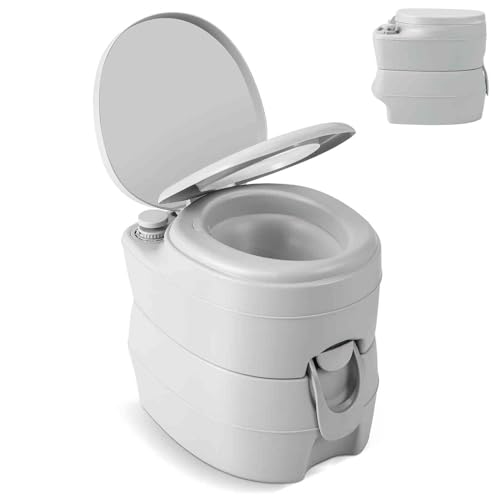
- TANGZON 20L Portable Toilet Camping Porta Potty, 150 KG Travel Toilet Potty Seat with Waste Tank, Flush Pump, Indoor Outdoor Dual ...
- Toilet Two Button Drain Valve, G1/2 Water Outlet Valve for Toilet Repair Updates, Super Water-Saving, Environmentally Friendly (25...
- Chemiphase Biosure Toilet Biological Toilet Cleaner, 5 Litres, Safe for Septic Tanks (1)
- Chemiphase Biosure Toilet Biological Toilet Cleaner, 5 Litres, Safe for Septic Tanks (2)
- SHENJIA Wall Mounted Plastic Urinals for Men - High Efficiency Outdoor Toilet, Waterless Design with Hose, Ideal for Bathrooms and...
Moreover, composting toilets contribute to waste reduction, diverting human waste from landfills and preventing methane emissions. The shift towards these eco friendly alternatives aligns with global efforts to combat climate change and promote sustainability.
Case Study: Urban Implementation
Many cities are embracing green toilets as part of their sustainability initiatives. For example, in 2026, San Francisco has implemented a program encouraging the installation of composting toilets in residential buildings. This initiative has not only reduced the city's water consumption but has also engaged residents in sustainable practices.
In urban areas, the integration of green toilets in public restrooms has also gained traction. Parks and recreational areas are now equipped with waterless toilets, providing a cleaner and more environmentally responsible solution for public facilities.
Advantages of Green Toilets in Urban Living
The advantages of adopting green toilets in urban living extend beyond environmental benefits. These systems offer numerous advantages that can enhance the quality of life for residents:
- Cost Savings: Reducing water bills is a primary benefit. Households can significantly lower their utility expenses by minimizing water usage.
- Healthier Living Environments: Green toilets often result in cleaner air quality and reduced odors, contributing to a healthier home.
- Increased Property Value: Homes equipped with green toilets can attract environmentally conscious buyers, enhancing property appeal.
Community Engagement and Education
In 2026, educating communities about the benefits of green toilets is vital for widespread adoption. Local governments and organizations are developing workshops and outreach programs to inform residents about the advantages of these fixtures. By fostering a culture of sustainability, communities can collectively work towards reducing their environmental footprint.
One effective strategy includes partnering with local schools to integrate sustainability education into the curriculum. This approach not only raises awareness among students but also encourages families to consider eco friendly practices at home.
Challenges and Solutions
While the benefits of green toilets are clear, challenges remain in their implementation. Concerns regarding the initial cost of installation and maintenance are common barriers to adoption. However, in 2026, many manufacturers offer incentives and rebates to offset these expenses, making green toilets more accessible to urban dwellers.
Additionally, public perception plays a significant role in the acceptance of green toilets. Many individuals may hold misconceptions about the effectiveness and cleanliness of these systems. Addressing these concerns through informative campaigns can help shift attitudes and increase acceptance.
As urban living evolves, embracing innovative solutions like green toilets is essential. These eco friendly alternatives not only address critical environmental issues but also improve the quality of life for residents. By prioritizing sustainability in urban planning, cities can create a brighter future. The journey towards greener urban living is just beginning, and there is much more to explore regarding the integration and impact of green toilets in modern society.