Composting Toilets vs. Traditional: A Comparison
When considering a sustainable sanitation option, composting toilets and traditional flush toilets present distinct differences. Composting toilets use aerobic decomposition to break down waste, turning it into safe, usable compost. They are eco-friendly, water-saving, and ideal for off-grid living. In contrast, traditional toilets rely on water, consuming up to 3 gallons per flush, contributing to water scarcity issues.
One major advantage of composting toilets is their low environmental impact. By using no water (or very little), they help conserve precious resources. Additionally, they can be installed in remote areas without plumbing, making them perfect for cabins or RVs. However, they do require maintenance—regularly emptying the composting chamber and occasional cleaning.
People Also Look For:
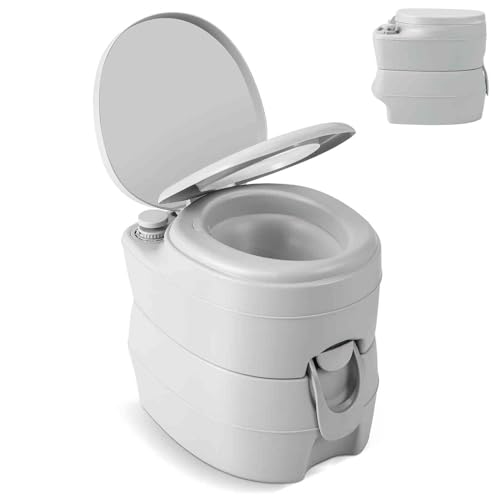
- TANGZON 20L Portable Toilet Camping Porta Potty, 150 KG Travel Toilet Potty Seat with Waste Tank, Flush Pump, Indoor Outdoor Dual ...
- Toilet Two Button Drain Valve, G1/2 Water Outlet Valve for Toilet Repair Updates, Super Water-Saving, Environmentally Friendly (25...
- Chemiphase Biosure Toilet Biological Toilet Cleaner, 5 Litres, Safe for Septic Tanks (1)
- Chemiphase Biosure Toilet Biological Toilet Cleaner, 5 Litres, Safe for Septic Tanks (2)
- SHENJIA Wall Mounted Plastic Urinals for Men - High Efficiency Outdoor Toilet, Waterless Design with Hose, Ideal for Bathrooms and...
When shopping for a composting toilet, consider factors like size, capacity, and ease of installation. Look for models with a user-friendly design that simplifies maintenance. Check for odor control features, as a well-ventilated system will enhance your experience. Lastly, read customer reviews to gauge performance and reliability.
By weighing these factors, you can choose a composting toilet that meets your needs while promoting a greener lifestyle.